
MACHU PICCHU · PERU
Peru is not explained, it is traversed
In the same week, you can descend from a 4,000-meter Andean pass to the Sacred Valley, climb up to the Colca Canyon, or cross the altiplano to the highest navigable lake in the world. The woman weaving in the Sacred Valley uses the same loom her grandmother used.
THE CITY AND THE VALLEY
A capital that never stopped building itself
Cusco was the capital of the Inca empire, and you can still tell: a good portion of the colonial streets in the center run over the same stone walls that remained after the conquest.
— Cusco, the city · HISTORY
The Twelve-Angled Stone, fitted without mortar in a downtown street, is the most visited example of that construction.
Ollantaytambo
A town where people today live inside the walls built by the Incas 500 years ago. Water still flows through the same stone channels, and the hillside terraces are planted every year because potatoes grow there.
THE SACRED VALLEY
A valley that is still worked by hand
Amidst terraces, salt mines, and weaving communities, the Sacred Valley sustains crafts whose methods haven't changed in centuries.
MACHU PICCHU
The citadel that was never lost
You can get to Machu Picchu by walking, by panoramic train, or by combining both ways in a single itinerary.
— Machu Picchu
When the explorer Hiram Bingham arrived in 1911, it was local farmers who guided him to the citadel. The Intihuatana stone functioned as a sundial, and the Inca drainage system continues to protect the structures from erosion more than 500 years later.
— The Inca Trail
Four days of hiking over the same cobblestones used by Inca messengers, sleeping in a tent every night. The arrival is always the same: the first glimpse of Machu Picchu appears suddenly, through Inti Punku, the Sun Gate.
— The Vistadome Observatory train
Add to the panoramic windows an observation car with a glass roof and an open-air end, featuring live music and dancing during the journey.
THE HIGH MOUNTAIN
The mountain range, at different rhythms
From the multi-day trek to an afternoon outing, the high mountains of Cusco offer more than one way to get close.
— Salkantay and Vinicunca
Salkantay climbs to almost 4,650 meters, skirting a snow-capped peak that the Incas considered an apu: four or five days of trekking, from the cold high puna to the warm jungle below. The Seven-Color Mountain became visible just a decade ago, when the ice covering it retreated.
— Humantay Lake
A turquoise mirror of water at nearly 4,200 meters, surrounded by snow-capped peaks, less than a two-hour hike from where you leave the car.
— ATV tour by Moray and Maras
The same landscapes of Moray and the salt mines, toured by ATV, with more dirt and more wind along the way.
— Llama trekking
Walking alongside a llama through the hills of the valley has its own pace: the animal sets the rhythm, on short outings designed for taking in the landscape.
HOW TO TOUR THE VALLEY
There is not just one way to travel through the valley
The scenic train is ideal for those who prefer to watch the landscape go by. Traveling by car and private driver allows you to stop wherever the itinerary requires, independently of shared schedules—an advantage that gains weight when the trip includes children. For those who share the journey among friends, multi-day hikes like Salkantay are best experienced together.
And for those who prefer a leisurely pace, starting the itinerary in Arequipa before heading up to Cusco allows the body to get used to the altitude without rushing.
AREQUIPA AND THE COLCA CANYON
The white city and its canyon
Arequipa is recognized by the sillar stone of its facades and is complemented by the flight of the condor over one of the deepest canyons in the world.
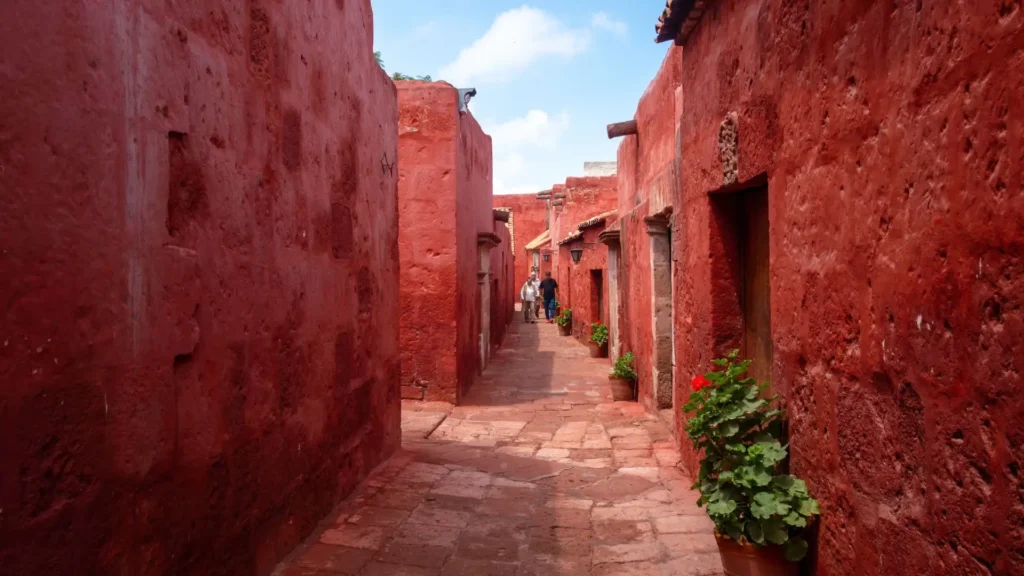
— Santa Catalina
It functioned for centuries almost like a city of its own: internal streets, plazas, a chapel for each family of nuns. It is built of sillar, the white volcanic stone that gives the entire center of Arequipa that particular glow in the afternoon sun.
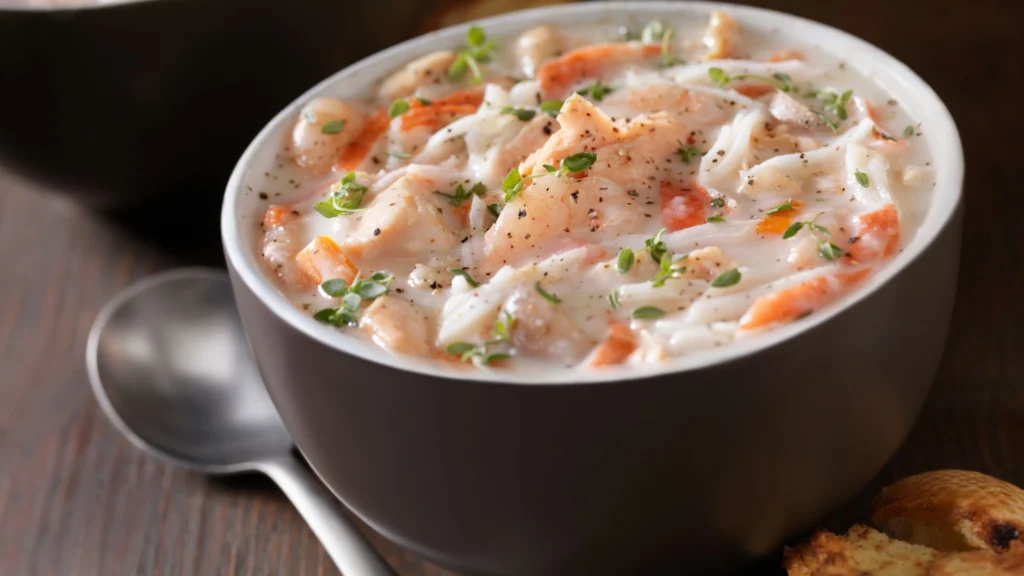
— The picanterías
Family-owned eateries that have spent generations serving stuffed rocoto peppers, shrimp chowder, and all-night cooked adobo: the place where any Arequipeño has Sunday lunch with their family.
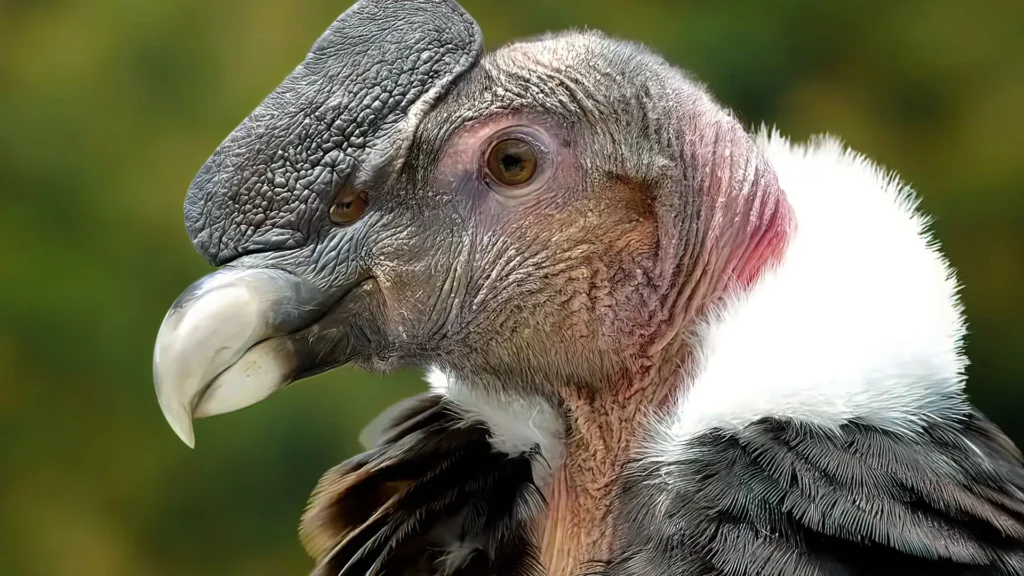
— The canyon and the condor
The Andean condor uses warm air currents to fly with almost no wing movement. The best time to see it is early in the morning at the Cruz del Cóndor viewpoint.
LAKE TITICACA AND PUNO
A lake that is woven and navigated
Between floating totora islands and weaving communities recognized by UNESCO, Titicaca also harbors a fauna that few get to see.
— The Uros
Families living on islands made of layers of totora reeds, renewed every few weeks. Fishing remains part of daily life: they go out on rafts made of the same totora reeds, using hand-woven nets.
— Taquile
UNESCO recognized the island's weaving as intangible cultural heritage in 2005. There, it is the men who weave the ear-flap hats, while the women weave the sashes.
— The giant frog of Titicaca
A species that can weigh almost a kilogram and breathes partly through its skin. It is endangered, and seeing one is a rare find.
THE ANDEAN TABLE
The table as part of the landscape
Picnics with views of snow-capped mountains, centuries-old haciendas, and a cuisine that is still buried underground: the Sacred Valley is also experienced at the table.
— Picnic with an Andean view
Served on a blanket, at a viewpoint overlooking the snow-capped mountains, without tables and without rush.
— Lunch and horseback ride in Huayoccari
The Lambarri Orihuela family has been welcoming visitors to their own home for a hundred years, amidst a private collection of colonial and Inca art, with a lunch of family recipes and the possibility of a horseback ride through the valley.
— One, in Maras
Fixed menu facing the snow-capped mountain range, designed for a single table at a time.
— Pachamanca
A way of cooking as old as the potato that cooks inside: meats, potatoes, and broad beans are buried alongside hot stones for hours. The moment of uncovering it, with the steam rising from the earth, is as much a part of the experience as the food itself.