Uruguay: a 293 km route to see whales, sea lions and turtles without invading them
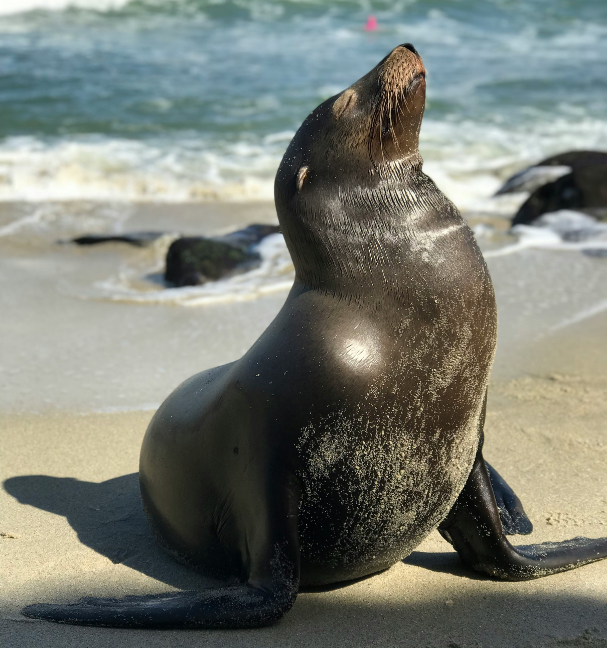
Uruguay presented the Marine Fauna Route, a responsible observation corridor of 293 km between Maldonado and Rocha (routes 9 and 10), with 10 equipped viewpoints with signage and QR codes to report sightings in real time.
The backing is scientific: Ballenas UY, Karumbé and Yaqu Pacha they provide monitoring and protocols. It is freely accessible and free of charge, and seeks to extend the east coast's tourist season beyond the summer.
Bonito, Brazil: the world's first carbon-neutral ecotourism capital
Bonito (Mato Grosso do Sul) was chosen by 19th time best ecotourism destination in Brazil and it is world's first carbon-neutral certified ecotourism destination. Its rivers have up to 50 meters visibility.
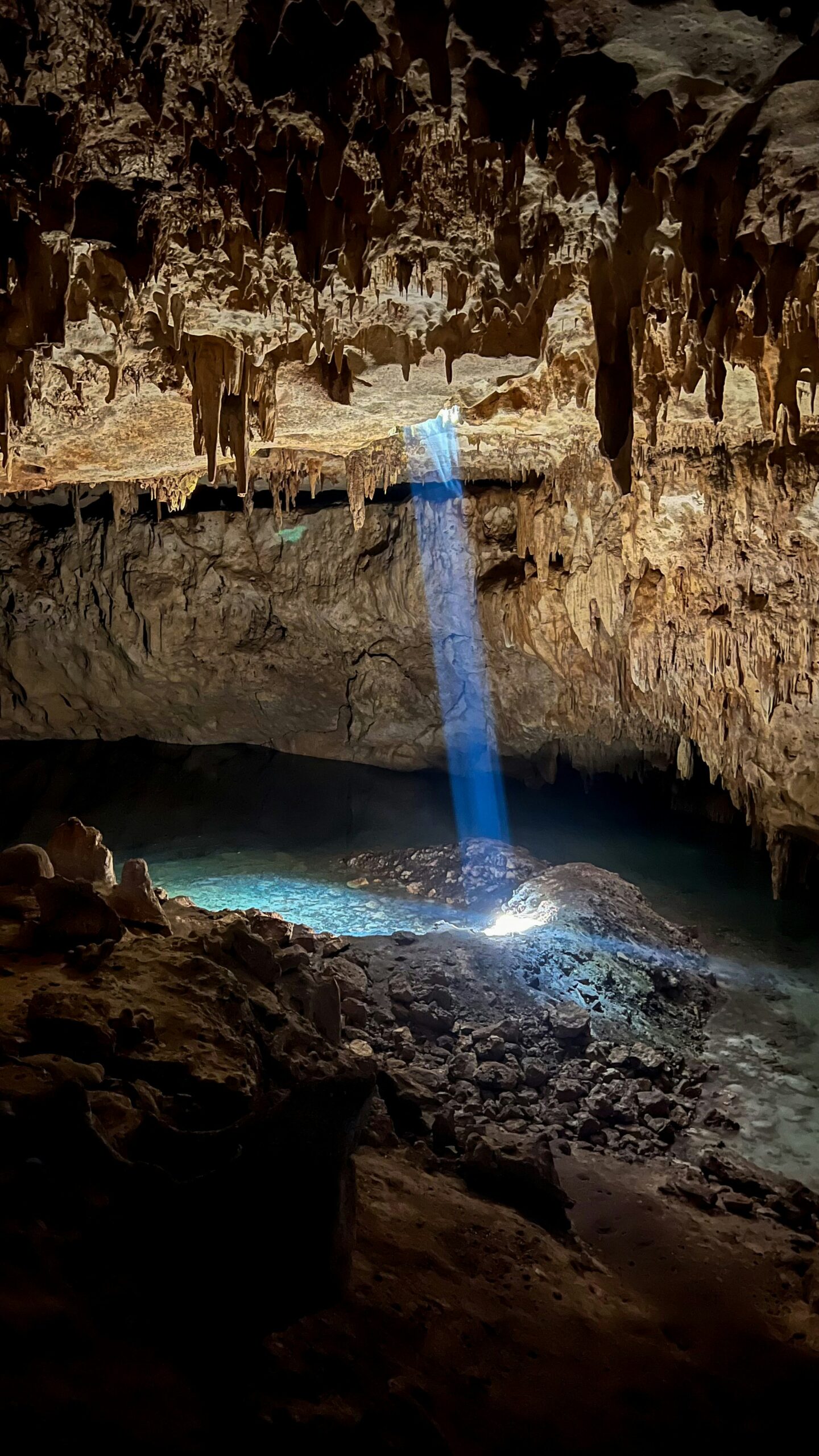
The key is their system of «single voucher»: limits daily entry to each attraction based on environmental studies (for example, 20 people per day to Anhumas Abyss). They already copied the model more than 40 countries. Conclusion for the traveler: booking in advance is key, demand exceeds capacity.
Peru: Peak of the humpback whale season in the north
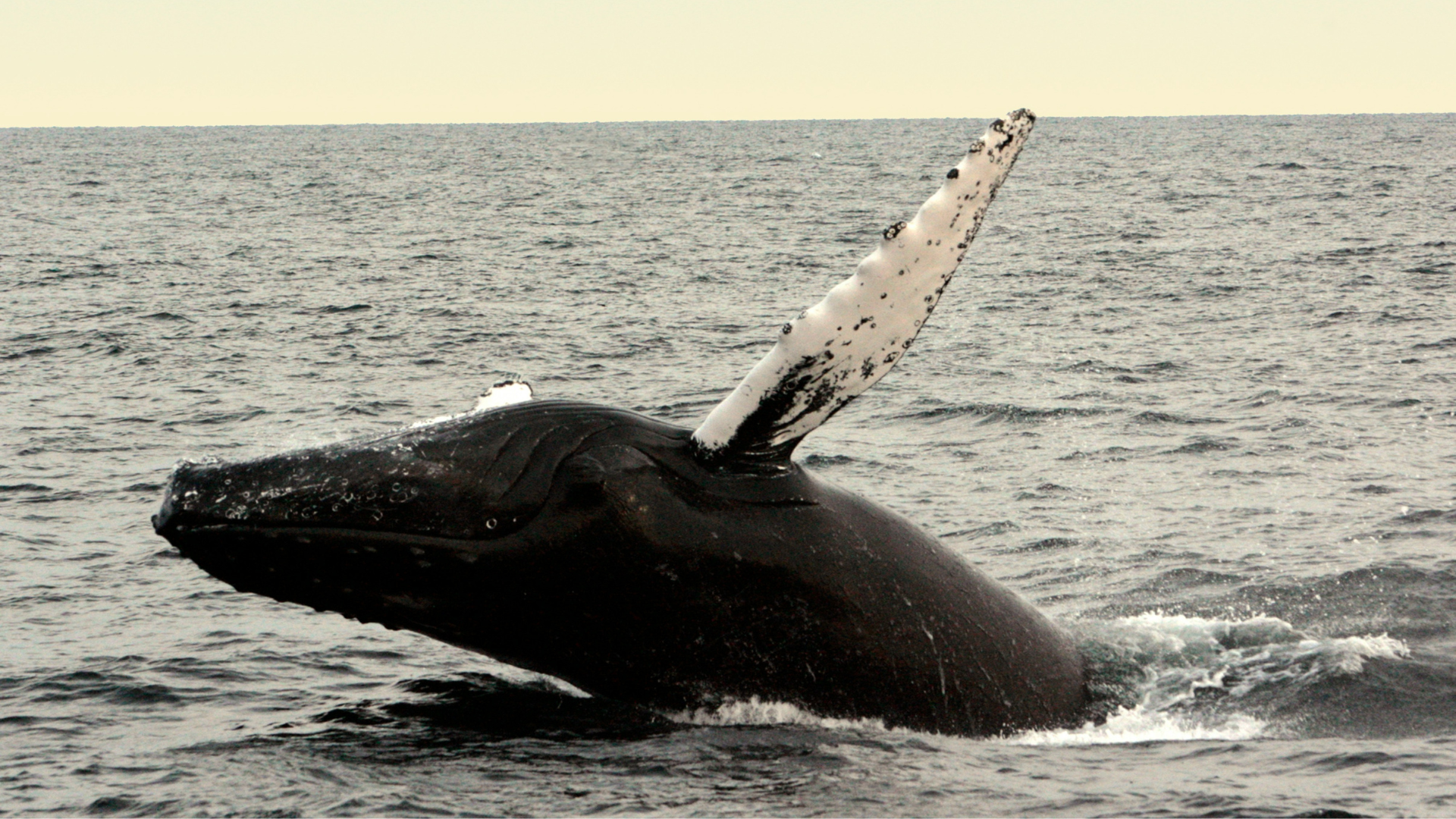
From July 12, thousands of humpback whales they arrive at Piura and Tumbes after swimming more than 8,000 km from Antarctica. The season runs until October, with peak demand in August and September.
They received training more than 600 tourism workers under responsible observation. Note: Peru it still doesn't have a law that regulates the approach distances, so it is advisable to choose operators with certified protocols.