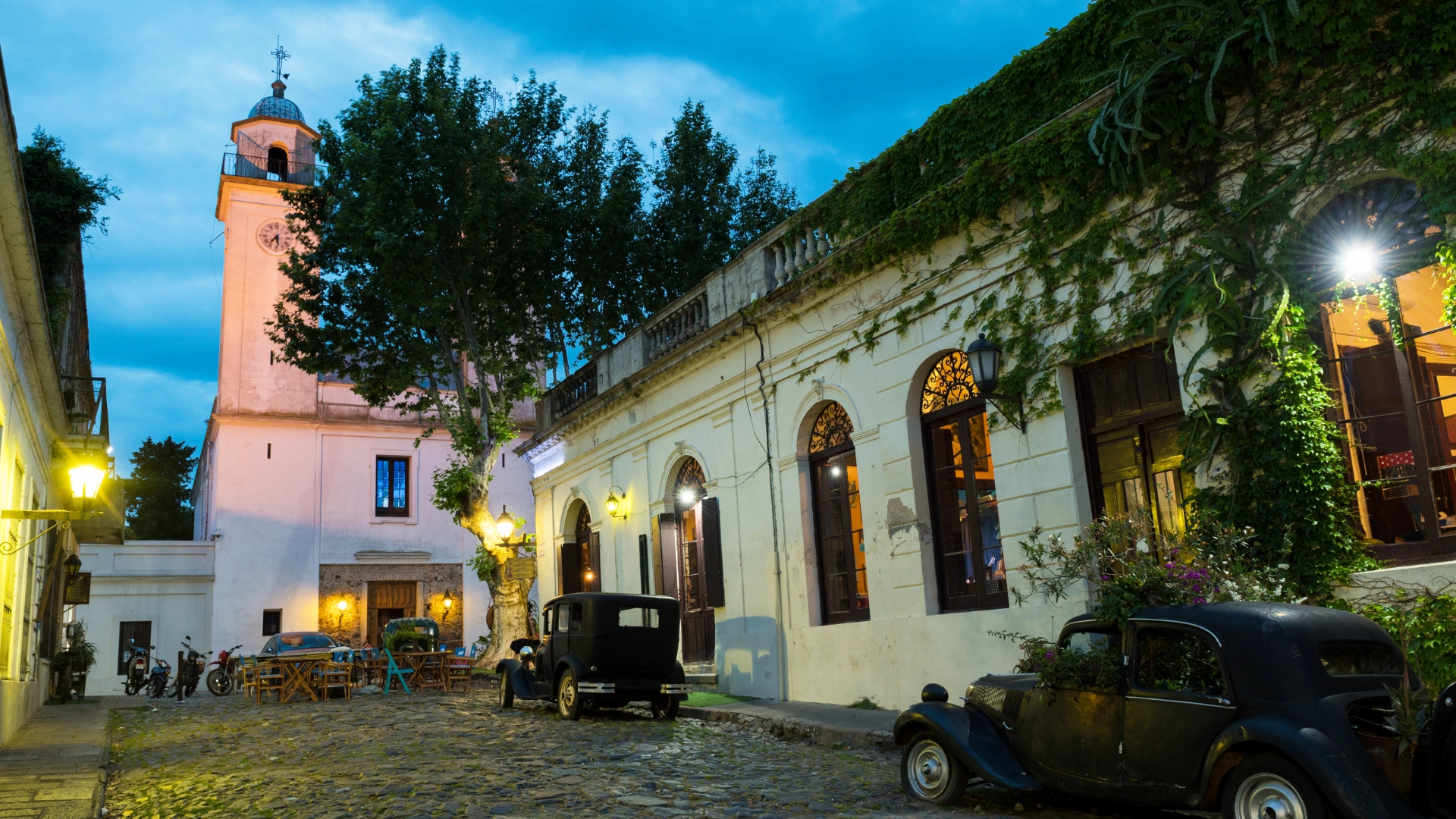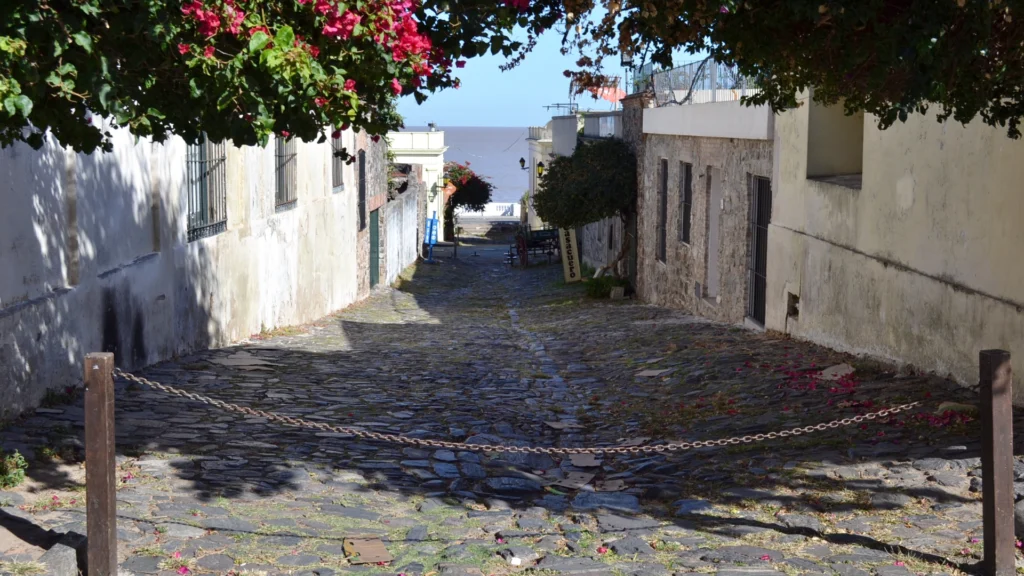
Colonia del Sacramento is a lesson in restraint. This small colonial city in Uruguay offers cobblestone streets, sideways light, and colonial houses where every stone tells a story of three centuries. Good trips to Colonia del Sacramento are not about accumulating sights. They are about wasting time in a bakery while it rains, talking to locals who inherited a bar from their grandfather, and understanding that luxury is sometimes simply being in no rush.
Punta del Este Uruguay is different: cosmopolitan, sophisticated, with beaches in Punta del Este that compete in beauty with any other place in the world. But here we also choose differently. Our trips to Punta del Este include lodging in small, modern-architecture hotels that work with local designers, restaurants that cook with small producers from the Uruguay region, and wine experiences in family-owned wineries in Uruguay where the owner invites you into the kitchen.

What makes Uruguay special is that sustainability here doesn't need justification. It is natural. It is scale. A small country like Uruguay quickly understands that its resources are limited. Renewable energies are not a trend—they account for 98% of its electricity. Food producers live hours away from where you eat. It is a place where conscious tourism doesn't feel like a sacrifice. It feels like the obvious choice.
Some travelers wait for fireworks. Trips to Uruguay give you stillness. And in the stillness, you discover what matters.