
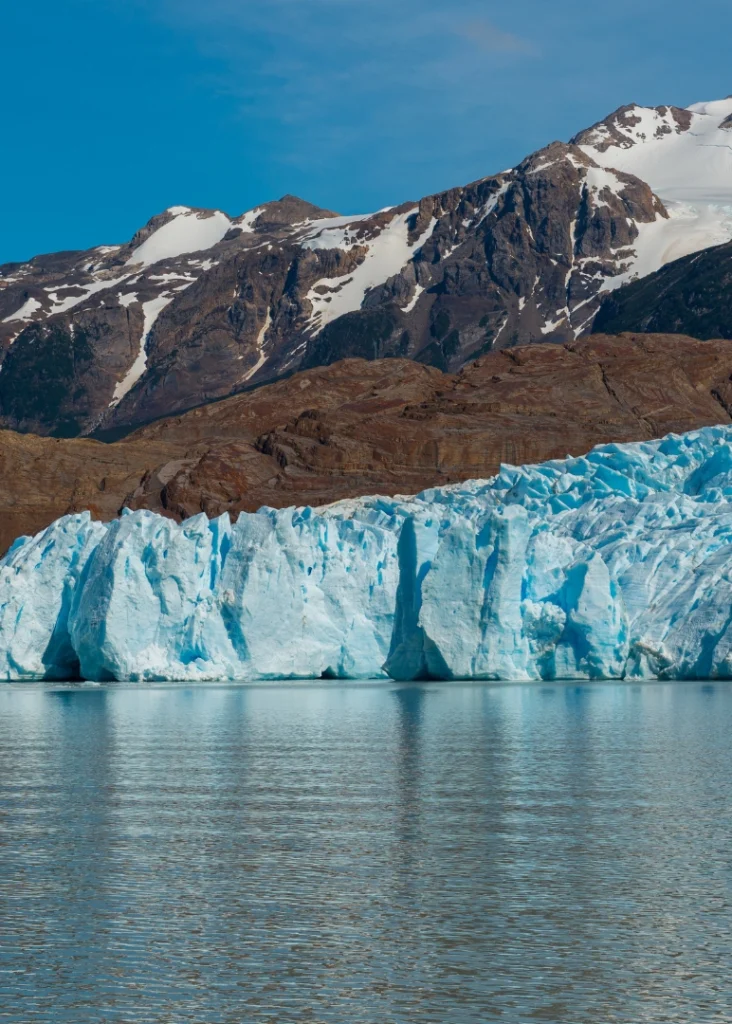
Chilean Patagonia has something that few places achieve: conservation without guilt. The national parks in Patagonia here are not closed museums. They are spaces where you can trek, kayak, breathe—and while you do, you contribute to protecting them. Most of our clients on Patagonia tours stay in ecotourism lodges that run on renewable energy, work with Mapuche and Patagonian communities, and return income directly to reforestation projects in the southern region of Chile.
Kayaking among icebergs in the San Rafael Lagoon, in Patagonia, is an experience most tours sell to you as an «extreme adventure.» We’re telling you the truth: it’s a window into climate change. You see how the San Rafael Glacier retreats year after year. It's not romantic. It's urgent. And that urgency is what drives many of our travelers to make more conscious decisions the rest of the year.

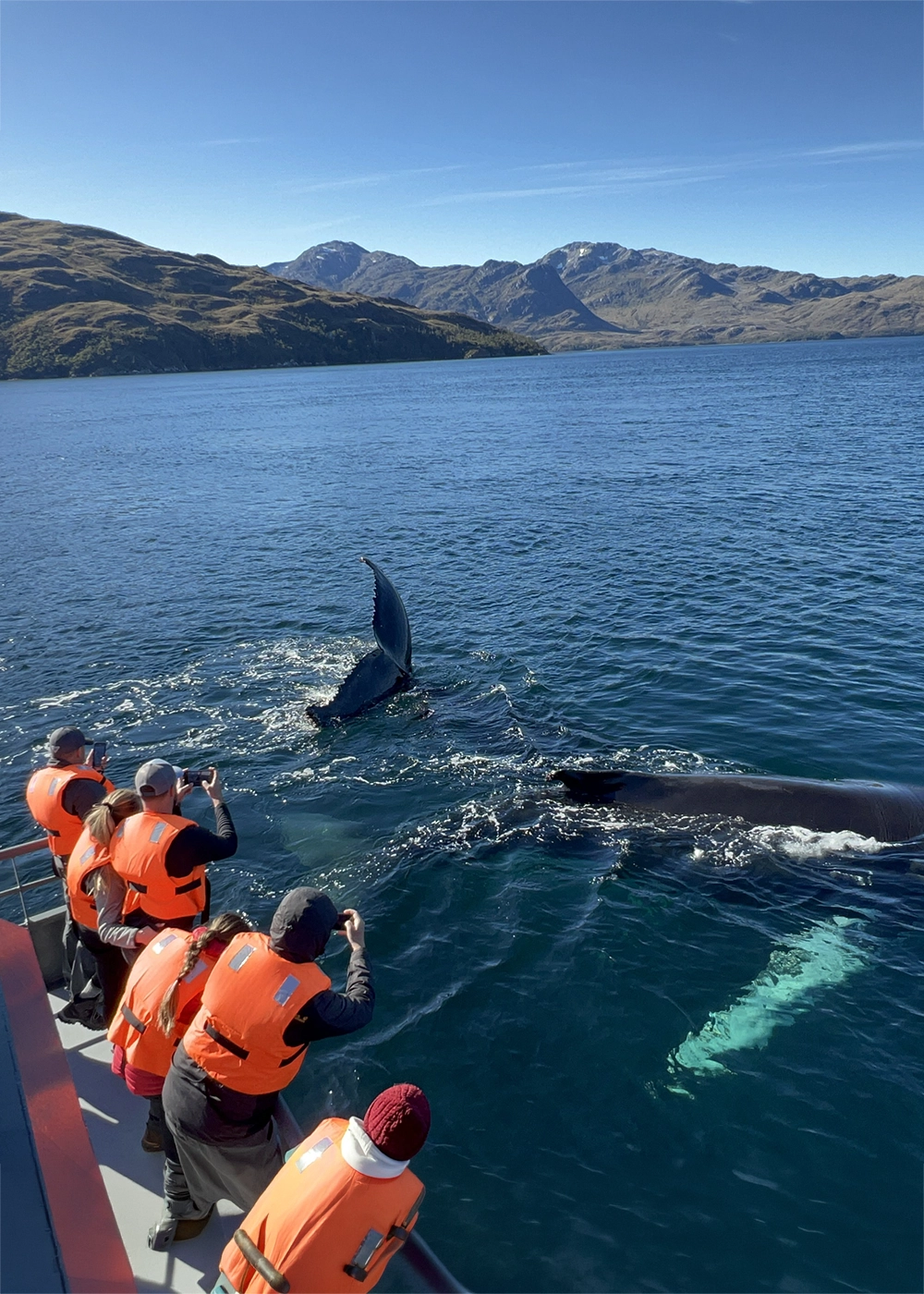
In Punta Arenas, kayaking with whales in the southern channels is not just another item on a checklist. It is an encounter where you respect their spaces, where the marine biologists who accompany us explain the real threats to whale populations. Some clients cry. Others understand, for the first time, why responsible tourism matters in South America.
Chilean Patagonia teaches you that beauty and responsibility are not opposites. They are the same.
What you do here—where to sleep, who to hire, when and how to visit—directly feeds people who have a real incentive to care for what they have. A dollar you spend in Iguazu Argentina feeds communities in Misiones that live off the living forest. A dollar in Foz do Iguacu Brazil funds local guides, small lodgings, conservation initiatives.
When you return home, you don't leave Iguazu behind. You carry two perspectives of the same marvel. You understand that beauty and responsibility are not opposites. You understand that tourism can be part of the solution—or the problem. You understand why crossing the border matters.